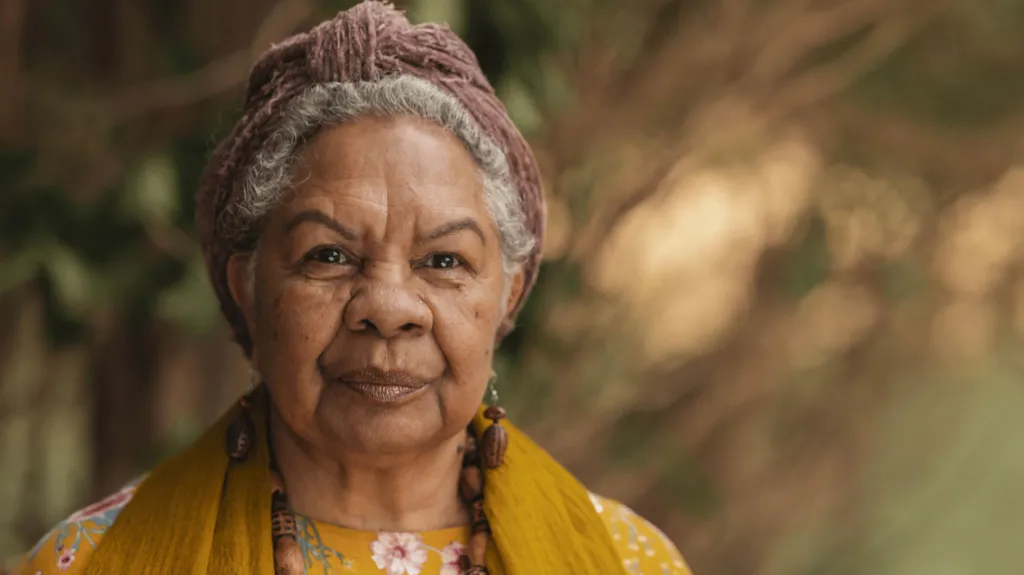
A group of Australians have accused the government of violating their human rights by continuing to export coal and gas and are asking the UN to take action. The group say their lives have been harmed due to extreme weather in Australia – bushfires, floods, heatwaves, rising sea levels and toxic algal blooms – and the government’s support of fossil fuel companies is to blame. It is the first legal claim taken to an international body or court since 2025’s ruling by the International Court of Justice (ICJ) that countries can be sued over climate change. Any decision by the UN is not legally binding but Australia – one of the world’s largest coal and gas exporters – would be expected to respond. The BBC has contacted Environment Minister Murray Watt for comment. Dr Barry Traill, a wildlife ecologist and volunteer firefighter, is one of the ten litigants. In 2009, several of his friends died during the devastating Black Saturday bushfires in Victoria, despite being prepared and experienced, he said. “That deeply changed me,” Traill said, and “it became clear that the old rules around fires and survival no longer applied”. In 2019, he was on the frontlines battling severe blazes in Queensland during the so-called Black Summer fires where he saw that climate change was not a future problem. “It is already killing people and hurting lives, landscapes and communities across Australia,” he said. “Continuing to allow coal and gas companies to increase pollution, while people face worsening disasters, is a profound failure of responsibility.” Brendon Donohue has also joined the legal claim, describing how he was trapped in his home for 10 days in 2022 when floods in Brisbane damaged the power supply of his apartment block, meaning the lifts, intercom and exits were not accessible. “Because I live with blindness and mobility challenges, climate impacts affect me differently and can make everyday life much harder to navigate safely,” he said. Rebecca ParkerBrendon Donohue was trapped in his Brisbane apartment for 10 days due to floods in 2022 Another case is that of Prof Anne Poelina, an Indigenous woman from the Kimberley region in Western Australia, who describes being displaced from the area around the Fitzroy River, one of the state’s most important waterways, because of catastrophic flooding. “When the river is healthy, our people are healthy,” she said, and “when the river suffers, our people suffer.” “What concerns me most is the intergenerational loss of cultural knowledge,” she added as “so much of our knowledge is not written down”, but passed on by being physically present on the land. One of the lawyers helping the group with their claim said that “climate harm caused by Australia’s coal and gas doesn’t stop at a border, and neither does Australia’s responsibility for it”. “They are asking the United Nations Human Rights Committee to declare that it’s unlawful for Australia to continue approvin